Over-Regulation and Its Consequences in the Textile Industry
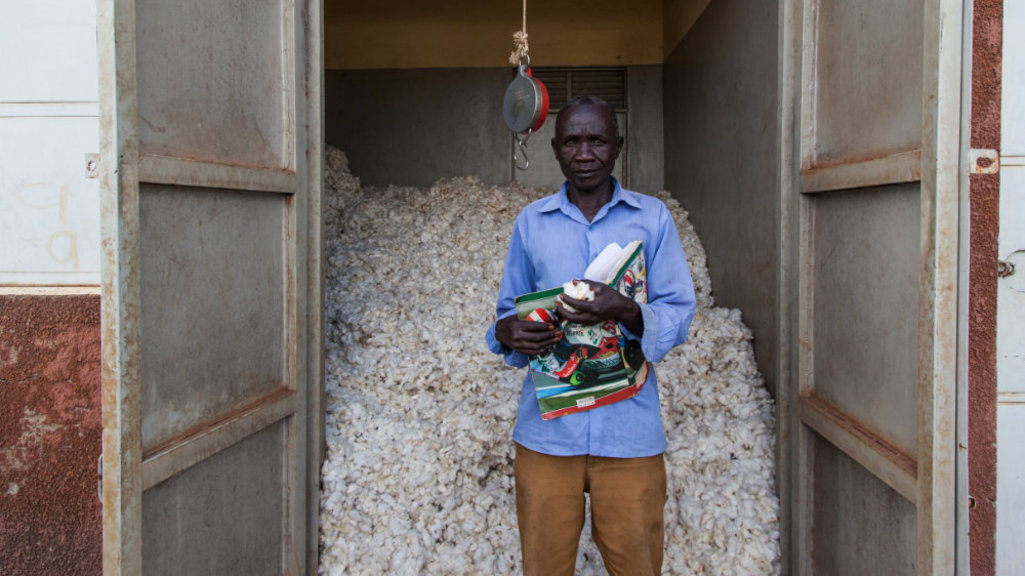
GOTS, the EU Organic Regulation and now the EmpCo guidelines too: the requirements for the cultivation, processing and marketing of organic cotton are becoming increasingly stringent – partly due to cases of fraudulent labelling and greenwashing in marketing communications. What does this mean for smallholders and medium-sized textile labels such as Cotonea, which operate to the highest standards?
– An article by Roland Stelzer, Managing Director of Elmer & Zweifel GmbH | Cotonea
Well-intentioned, but not thought through. This is the conclusion one must draw following the experience with the tightened regulations for GOTS – the world’s leading standard for organic textiles – and the new EU Organic Regulation 2018/848, which has been in force since 2022. After all, the previous system of organic certification and controls worked. Annual GOTS certifications, GMO thresholds and comprehensive documentation of the entire supply chain – alongside many other requirements – have long ensured reliability and safety in the organic textiles sector. Yet, as in any sector, there are black sheep in our industry too – in other words, fraudsters. One common method of fraud that is repeatedly attempted involves providing conventionally grown cotton with a purchased organic certificate.
The GOTS database and the Farm-Gin Registry are intended to provide a solution to such deceptive practices. Through transaction certificates linked to the GOTS database, the aim is to create transparency and traceability and to ensure sustainability standards are upheld throughout the entire supply chain. The major catch is this: when false information is used, it usually occurs at the start of the supply chain, i.e. at farm level. The produce then only complies with IFOAM guidelines on paper and slips through the entire supply chain with these forged documents. Now, even small-scale organic farmers must enter their data into the Farm Registry’s digital register. The underlying idea is fundamentally sound, but in practice the outcome is quite different. This is because the new system generally only works for large agro-industrial operations operating at maximum efficiency with the necessary financial and human resources – the sort found primarily in the USA and Brazil.
A Third of Turnover Is Spent on Compliance and Bureaucracy
For tens of thousands of small-scale cotton farms, particularly in Asia and Africa, these same regulations mean a completely different situation. They are faced not only with the new GOTS requirements, but also with the revised EU Organic Regulation. This aims to create greater security and reliability by applying the same standards to organic imports as to organic goods produced within the EU. The resulting extra workload for additional checks, coupled with increased bureaucracy, is placing an unbearable – and therefore unaffordable – burden on many cooperatives. Specifically: if farmers’ cooperatives now have to pay up to 35 per cent of their achievable selling price on certification alone, in the face of a world market price that is far too low, they must weigh up whether an organic premium still offers them any benefit at all.
The imbalance between low world market prices and high certification costs is, of course, nothing new. Until now, smallholders working to organic and Fairtrade standards have had to factor in around 15 per cent of their costs for certification. As even this is too much, Cotonea has paid its long-standing partner cooperatives in Kyrgyzstan and Uganda a price for their high-quality cotton that is around 25 per cent above the world market rate. This has made the trade reasonably profitable for everyone involved. However, with the even stricter regulations, certification costs have more than tripled. Hardly any smallholder, hardly any cooperative can afford this.
The consequences: Smallholders and their cotton cooperatives around the world are withdrawing from standards such as GOTS, organic and Fairtrade. It remains to be seen what this will mean for the organic cotton market in the medium term. Cotonea is not immune to this trend either, as even our long-standing partners in Kyrgyzstan and Uganda are no longer seeking GOTS certification. So far, so bad.
Higher Yields through Organic Farming
The good news is that most of our farming partners continue to work to the same high standards as before, even without certification. Why is that? Our partner cooperatives have so far borne the additional costs of organic farming and GOTS certification not for opportunistic reasons, but for sound, practical ones. They have been very well trained and, over many years, have adapted organic practices to local conditions, gained experience and thus continuously developed their knowledge of organic farming. The result: the organic cooperatives achieve higher yields than their conventionally farming counterparts. Furthermore, the people working in the organic fields are not exposed to pesticide emissions (the benefits for the soil and biodiversity will be discussed elsewhere). Naturally, the cooperatives do not want to give up the benefits of better health and a higher income; they therefore continue to work to the same standards as before, even without certification.
How are we at Cotonea dealing with this situation? We are currently having to re-evaluate our approach in some areas in order to find effective solutions. This is because, even though the co-operative continues to operate to the same standards, this is no longer backed by certification. As there is no viable, responsible alternative to organic cotton for Cotonea, we are working on new partnerships that are willing and able to meet the new certification requirements. In the meantime, our stocks of certified organic cotton at all stages of processing will last for about two years before the first products made with organic cotton from our new partners reach our customers.
Let us now consider our customers’ perspective. For them, the following questions have always been, and remain, central: Where does the cotton come from? How was it grown? What is its quality? How environmentally friendly, socially responsible and safe for health is Cotonea cotton? And, of course, how much does it cost? We have been able to provide credible answers to these questions for over twenty years. All our information is verifiable and unambiguous. The relevant information is set out in every product information sheet. For our customers, the product information sheet confirms their expectations; for us, it is a commitment to continuing our dedication. Since the Cotonea brand was founded in 2003, we have been working according to clear principles: 100 per cent organic cotton, uncompromising sustainability, transparency, fairness and social responsibility throughout the entire supply chain. By putting these values into practice, we have built the most valuable asset in a manufacturer-customer relationship: trust.
In view of the increased bureaucratic requirements surrounding certification, our challenge now is to adapt our processes and systems accordingly without compromising our values and principles. We are working on this. At the same time, we urge those responsible for standards within the EU and the relevant organisations not to unnecessarily tighten a tried-and-tested system such as organic inspection, which has proven to work effectively. The effort required for the demanding organic certification process was already very high, and for good reason. Farmers must keep meticulously maintained weekly records for every field; auditors conduct interviews, examine all documents, premises and practices; and certifiers carry out spot checks on site. All of this serves the sole purpose of confirming that organic farms comply with the regulations and upholding the trust placed in them.
In IT, we are familiar with the principle: ‘Never touch a running system!’. This also applies to organic certification and inspection. Additional regulations merely serve to fuel bureaucracy unnecessarily – and encourage people to drop out of the system or resort to fraud. If, as happened in India a few years ago, a forged Indian IFOAM certificate is recognised by a GOTS certifier, thereby allowing 20,000 tonnes of cotton to be fraudulently placed on the market, then even a farm registry will not remedy the situation. Rather, the GOTS system – which is otherwise well-established – should have taken firm action against the appointed certifier and thus sent a clear signal.
Embracing Greater Responsibility
In this debate about stricter regulations, I believe one key aspect is being overlooked, namely the personal responsibility of the textile companies themselves. This includes establishing manageable supply chains. Only those who have a thorough understanding of their production and supply chains gain genuine insight, exert creative influence and – as a positive side effect – are thereby largely protected against fraud. We at Cotonea have been putting this into practice for over twenty years. We make a conscious effort to maintain a short supply chain. We know all our partners, and they, in turn, value the personal nature of their collaboration with Cotonea. We also send random samples of our goods to the laboratory ourselves to check that work has been carried out in accordance with the guidelines. This is good for our customers, as they receive exactly what we have promised them.
Despite all the valid objections, we do not expect these new bureaucratic behemoths to be rolled back any time soon. And so, as a family business, we are rising to the challenges and taking matters into our own hands – just as we have always done successfully. This is the only way to maintain our customers’ trust. We’ll keep you updated!