Cotonea's Organic Cotton from Uganda (2004–2026)
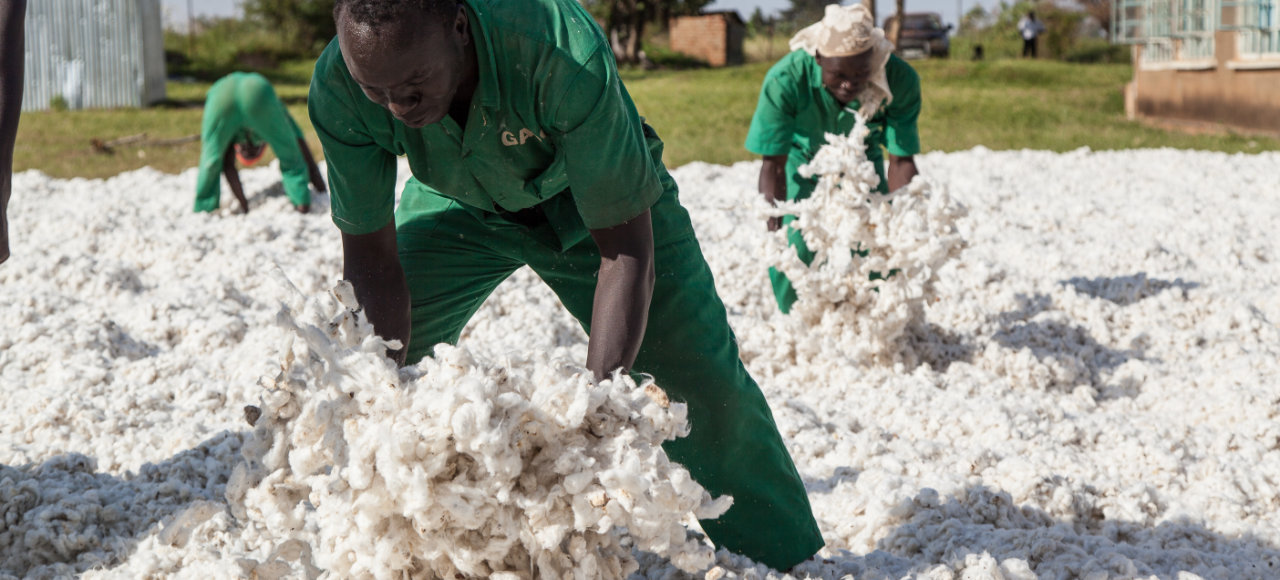
Our Ugandan organic cotton is a dream: silky and firm, the fibres are very long, non-slippery and wonderfully soft.
Our Ugandan organic cotton is a dream: silky and firm, the fibres are very long, non-slippery and wonderfully soft.
In light of further tightening of certification guidelines by GOTS and EU Organic, the economic situation for organic cotton farmers – particularly smallholders – has, in some cases, deteriorated dramatically worldwide. The entire organic cotton market, and therefore Cotonea too, is feeling the effects. As a result, our long-standing partner cooperatives in both Kyrgyzstan and Uganda have decided to withdraw from GOTS due to the high additional costs of certification. We at Cotonea are currently assessing how to deal with this changed situation in line with our corporate values. At the same time, we are in discussions with new, certified suppliers. We will keep you updated on further developments.
More background information is available here.
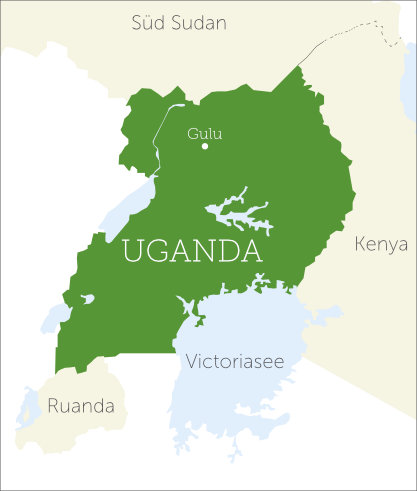
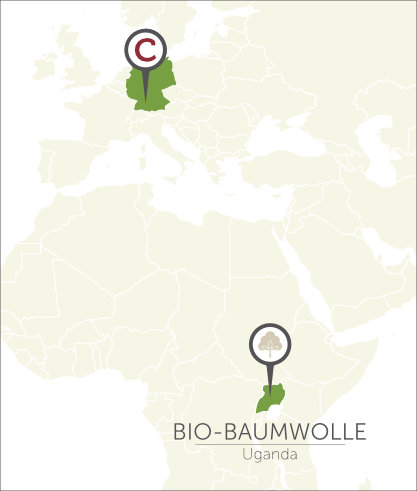
In northern Uganda, on farmland that lay fallow for decades due to the war, organic cotton has only been grown for a relatively short time. A brutal civil war raged here until 2006. Today, tens of thousands of people make a living from the organic farming project.
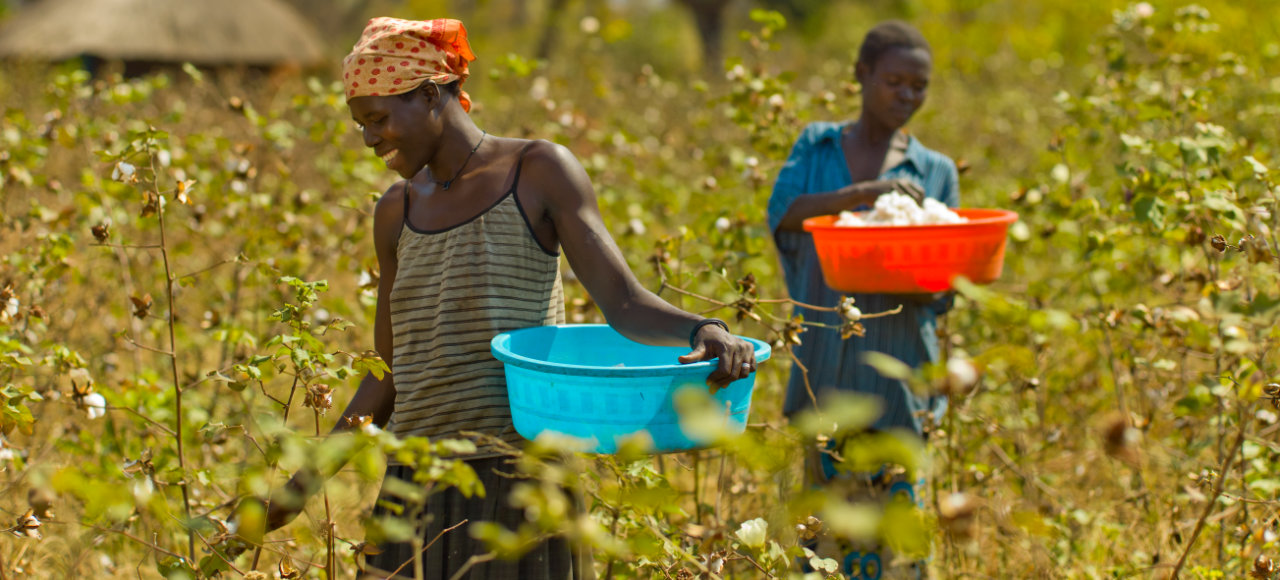
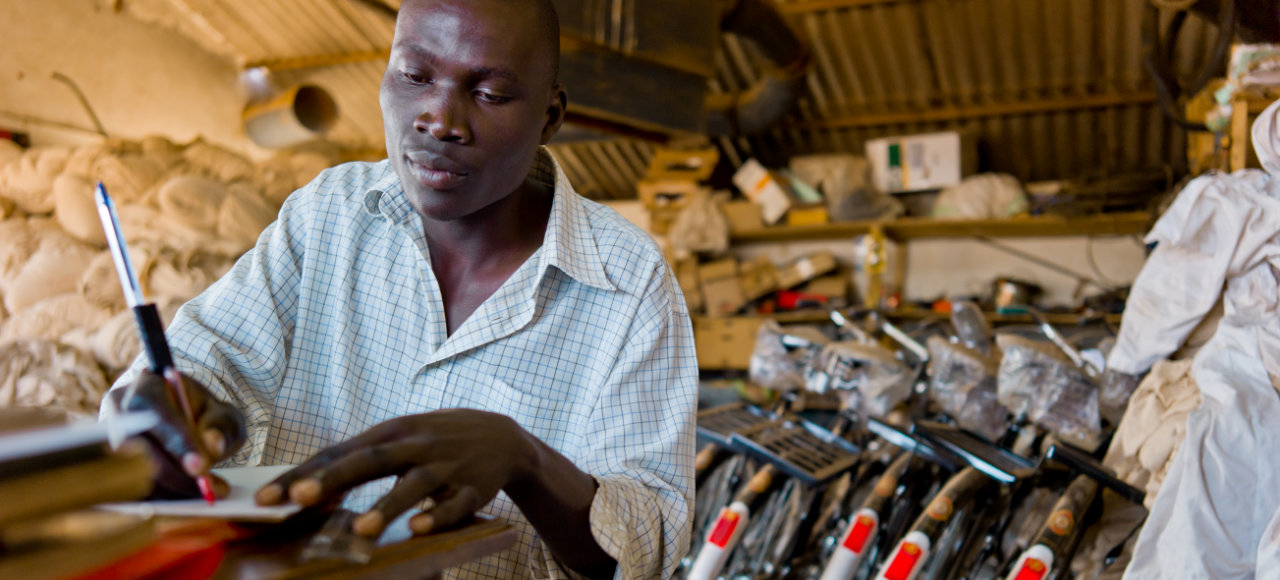
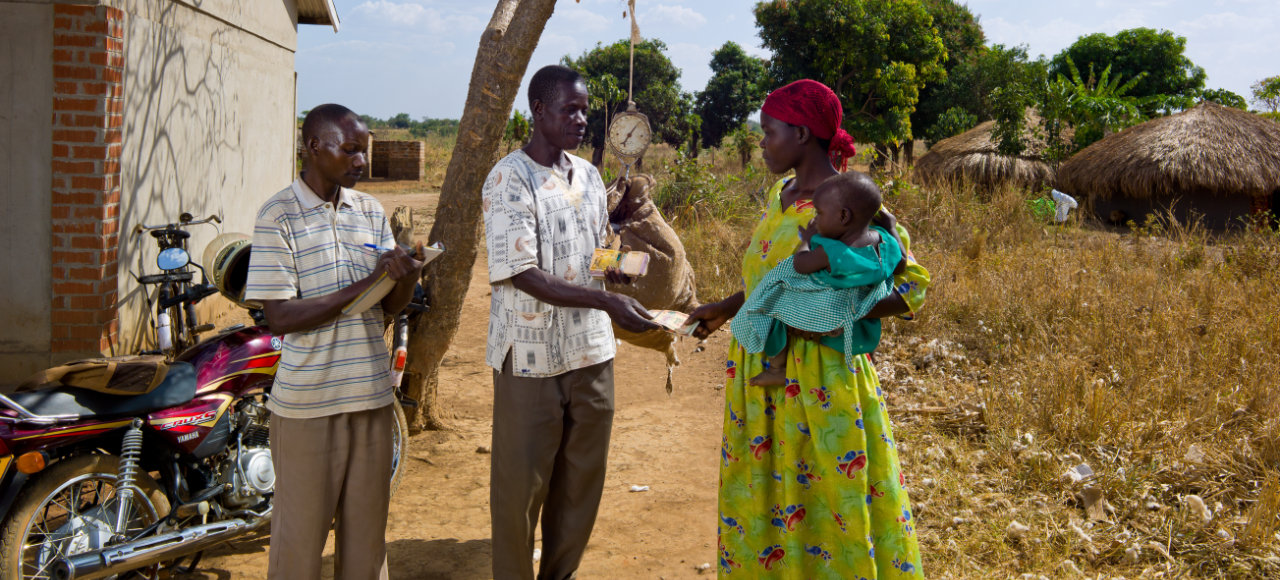
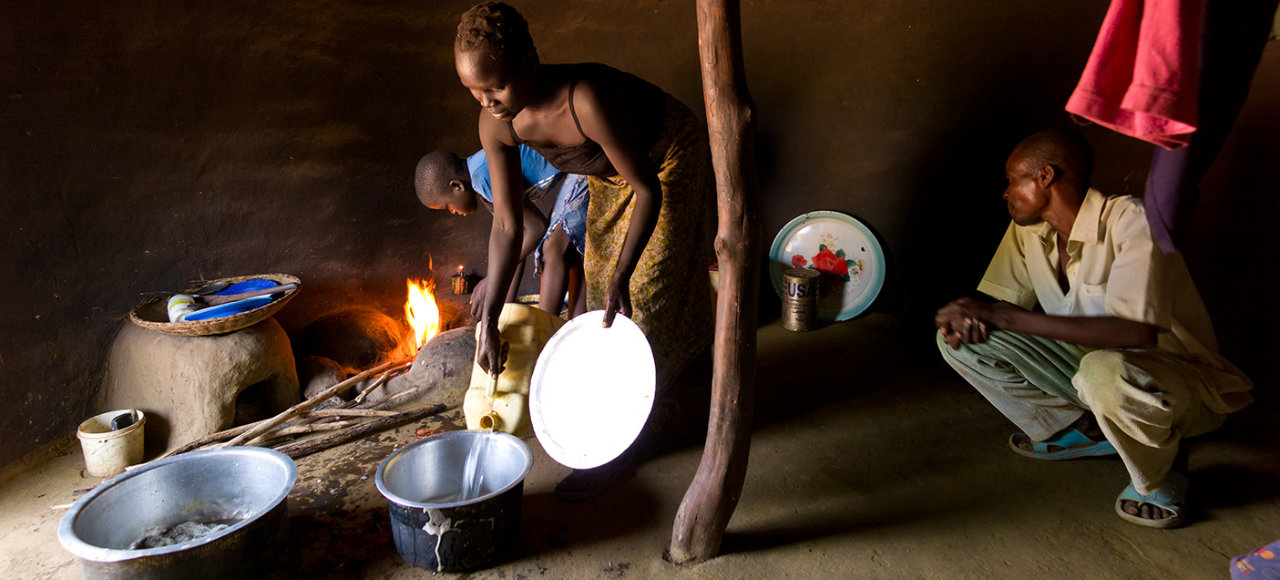
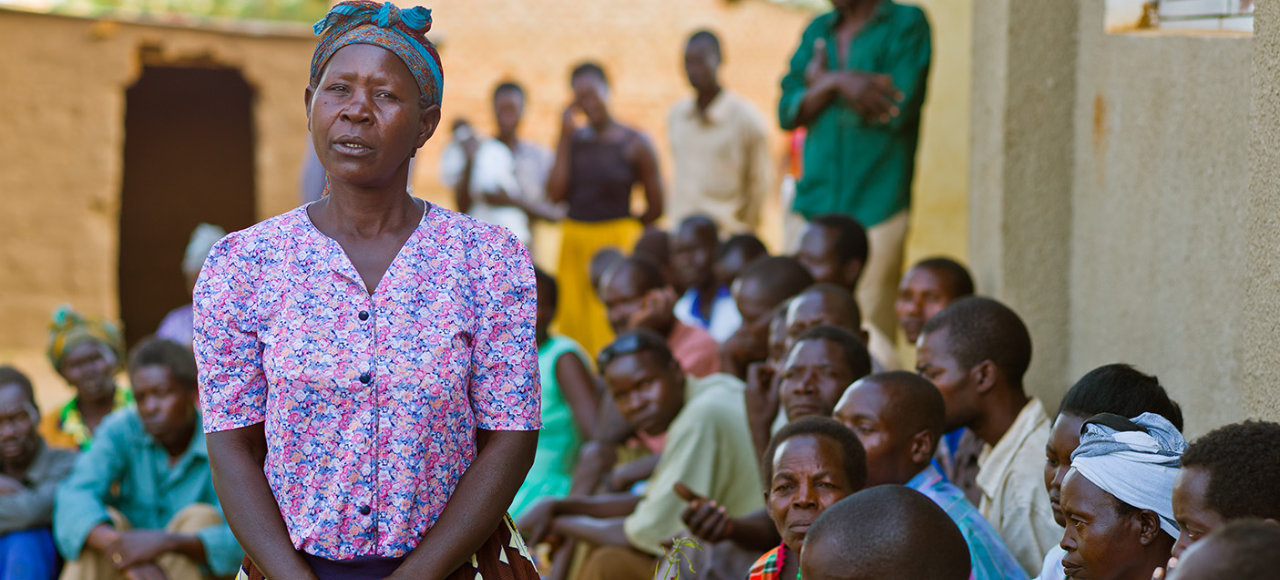
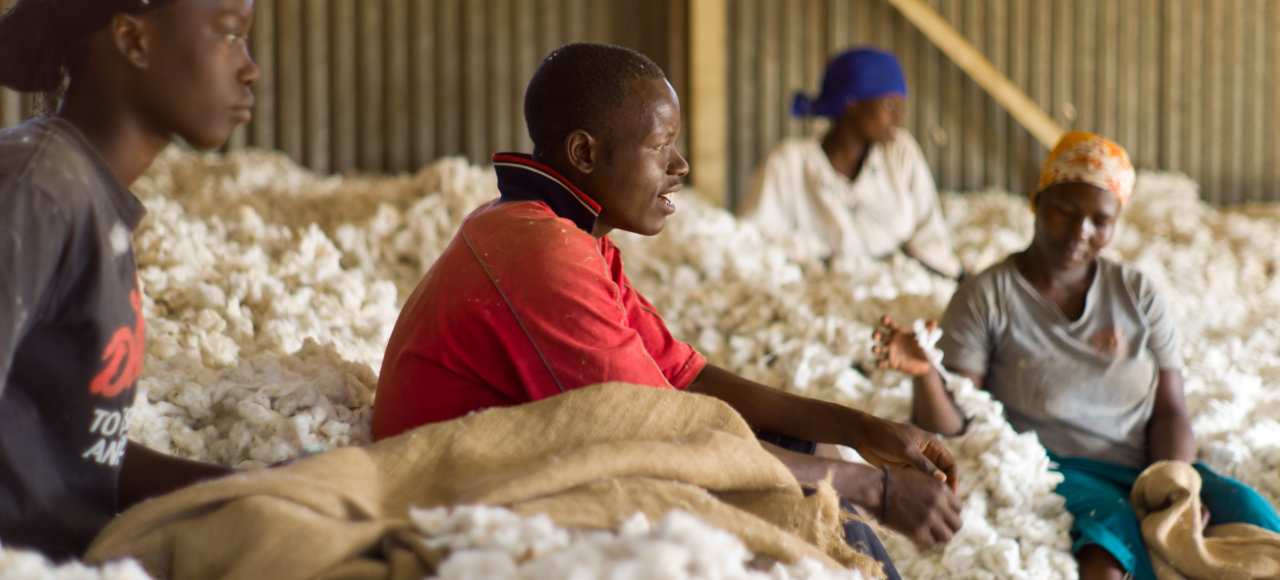
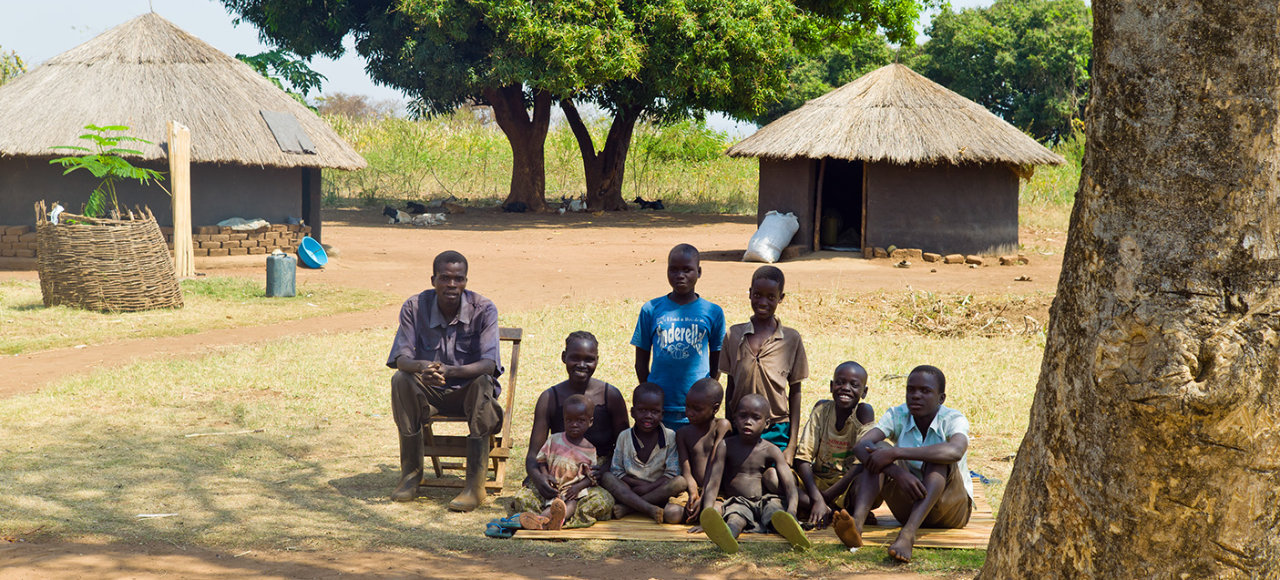
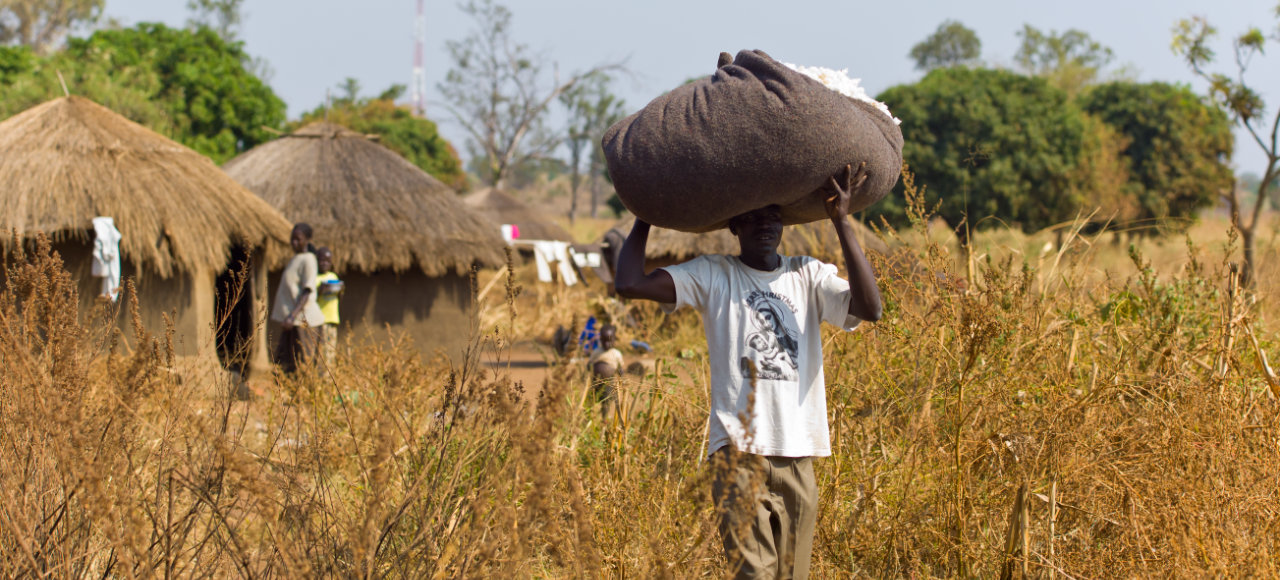
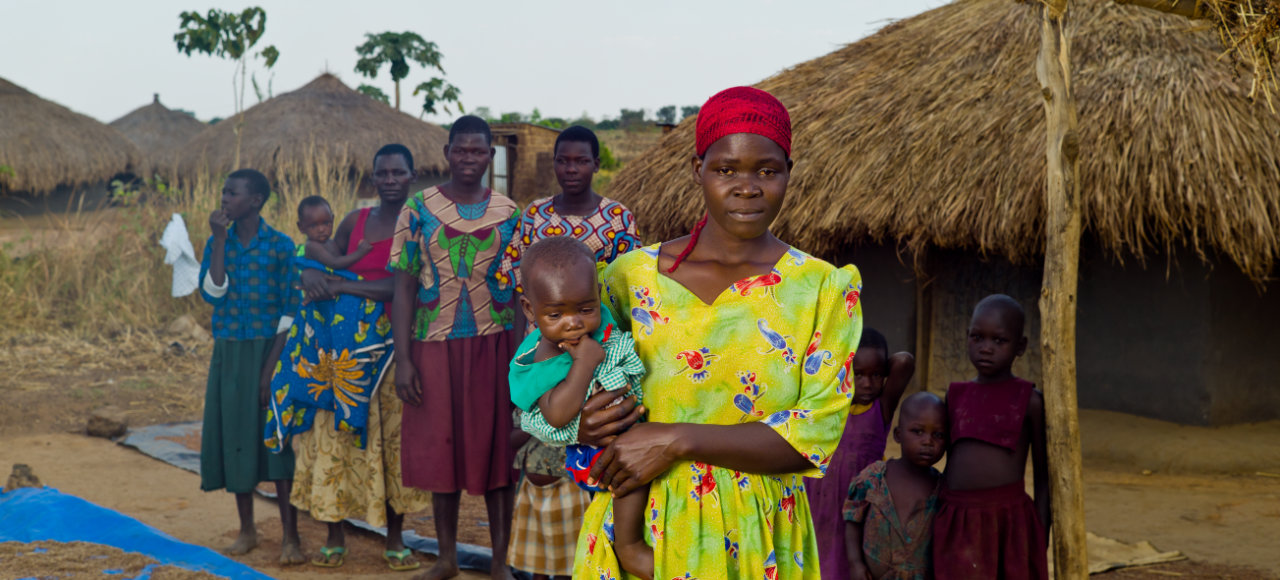
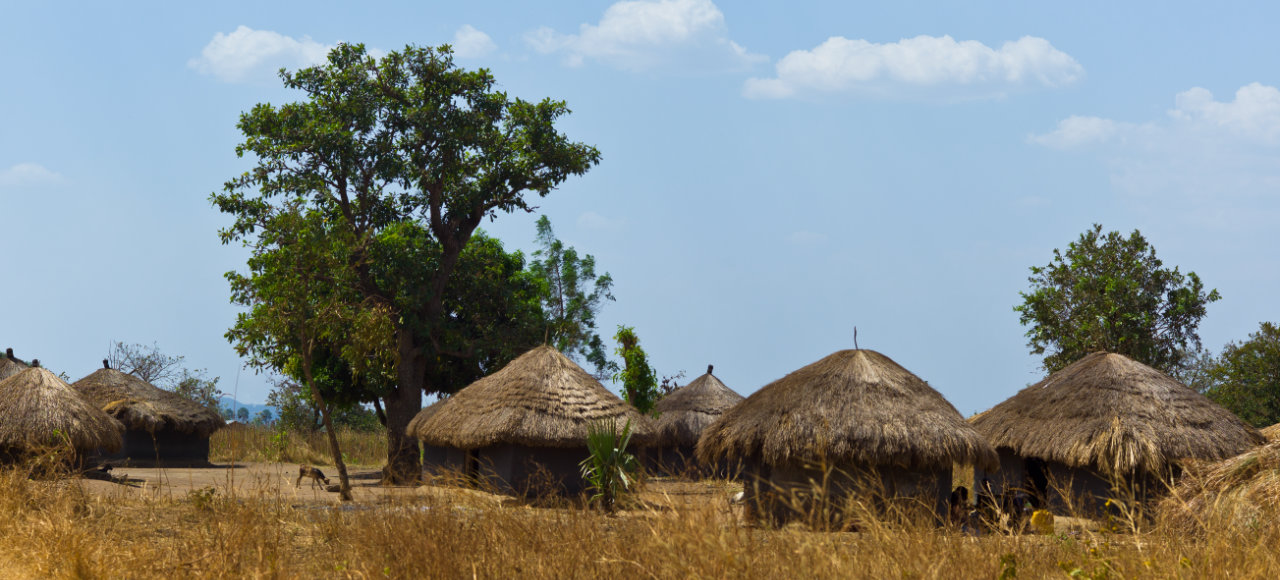
As a key partner Cotonea helps to give people new perspectives. The land is fertile and naturally irrigated by rain. Near the equator a number of harvests of different field crops can be reaped all year round. Organic cotton generates income which is mostly used by farmers to secure the health and education of their children.
Experienced farmers receive high yields, however, many young farmers who have not had the possibility to learn the skills required for agriculture must first be trained and educated. In conventional cotton cultivation projects, an uncountable number of people lose their lives to pesticide poisoning every year. Here the ecological cultivation preserves the fertility of the soil and the purity of the important groundwater in a natural way.
Supplying the farmers with natural seeds becomes an increasingly important task, the seeds are specifically cultivated and further developed. If you add the growth of crop rotation produce (sesame, chilli, sunflower seeds, beans, etc.) to the calculation, both projects each feed many tens of thousands of people - including their often extensive families. This way we, together with local project partners, create conditions under which the people have a livelihood and can invest in their education and health.
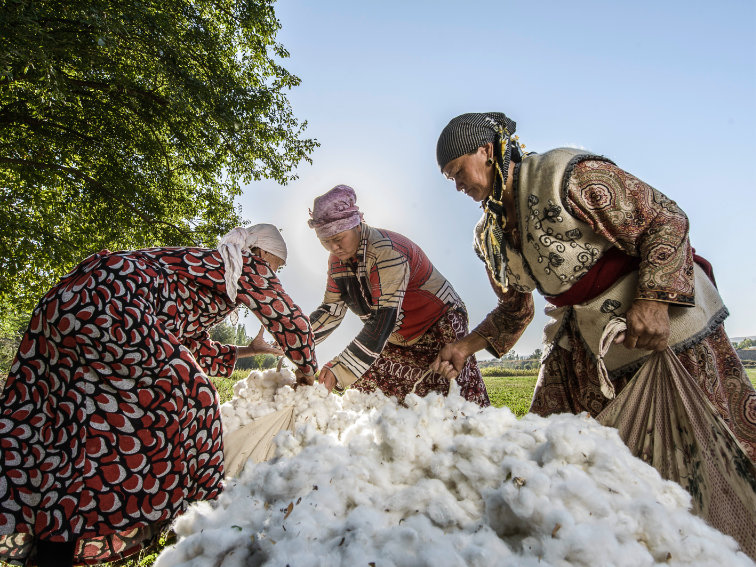
Our Kyrgyz organic cotton is brilliantly white, the fibres are strong and tear-resistant.
Find out more